
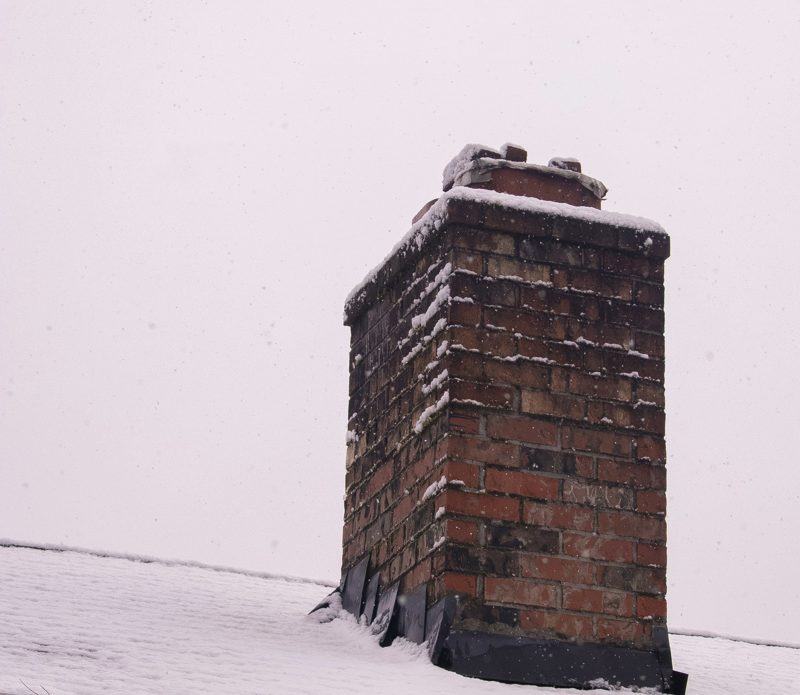
Chimney Rebuild in Chicago
When a chimney leans, sheds brick, or has mortar that crumbles all the way through, patching stops working. A rebuild takes the damaged section down and lays it back up with new brick, mortar, crown and flashing.

When Does a Chimney Need to Be Rebuilt Instead of Repaired?
A chimney needs rebuilding when the damage goes deeper than the surface: the stack leans or has shifted, bricks are loose or spalled across large areas, or mortar has failed through the full depth of the joints. Then the masonry can't hold new mortar. Most Chicago rebuilds start at the roofline, where freeze-thaw damage is worst.
Signs a Rebuild Is on the Table
- The chimney leans or has visibly pulled away from the house
- Loose bricks you can wiggle, or brick fragments on the roof, gutter or ground
- Spalling on many bricks, not just a few faces
- Mortar gone through the joint, so daylight or a screwdriver passes through
- A crown that has broken apart, letting water straight into the core of the stack
- Repeated leaks around the chimney after earlier repairs
If you're seeing a lean, keep people and cars away from the fall zone and get it looked at soon. → Why chimneys lean
Repair, Partial Rebuild, or Full Rebuild?
| Condition | Usual option | When it's the right call |
|---|---|---|
| Sound brick, worn joints | Tuckpointing | Mortar is recessed or sandy but brick is solid |
| A few damaged bricks, cracked crown | Chimney repair | Damage is localized and the stack is plumb |
| Top courses loose or spalled | Partial rebuild from a sound course up | The lower stack is solid and straight |
| Lean, widespread spalling, failed core | Full rebuild above the roofline | The stack can no longer be trusted to hold new mortar |
| Chimney no longer used | Rebuild, or take down below the roofline and roof over | You don't need the flue and want to end the upkeep |
An inspection decides which row you're in. Photos of the actual brick and joints let you see why.
What Drives the Cost of a Chimney Rebuild
- How many courses come down: a few top courses vs. everything above the roof
- Chimney size: number of flues and the width of the stack
- Height and roof pitch, which set the scaffolding, roof protection and safety setup
- Brick matching: salvaged or closely matched brick for older Chicago buildings
- Crown, cap and flashing, usually replaced as part of the rebuild
- Flue liner condition, if the chimney is still in use
- Permits, required for many masonry jobs in Chicago
We don't quote a rebuild without seeing it. You get scope and price in writing first. → Masonry cost factors
What to Expect
- 1Inspection and photos of the stack, crown, flashing and roofline.
- 2Written scope: how far down the rebuild goes and why.
- 3Roof and site protection set up before any brick comes down.
- 4Teardown of the damaged courses to sound masonry.
- 5Relay with matched brick and compatible mortar, then a new crown and flashing tied into the roof.
- 6Cleanup of debris, mortar dust and the roof surface, plus final photos.
Frequently Asked Questions
How long does a chimney rebuild take?
Can you reuse my old brick?
Do I need a rebuild if I don't use the fireplace?
Will a rebuild stop my chimney leak?
Is a rebuild covered by homeowners insurance?
More Masonry Services in Chicago


Serving Chicago and the close-in suburbs. See our service area.
Stop Water Before It Gets Behind the Brick
Crumbling mortar lets water in, and Chicago's freeze-thaw winters do the rest. Tell us what you're seeing. Call (773) 389-2576 or send the form.
- Inspection first, with photos of what needs work
- Written estimate before anything starts
- Serving Chicago & Chicagoland